
In the modern digital era, the need for secure and efficient ways to authenticate electronic documents and transactions has grown exponentially. Digital signatures have become a cornerstone of this digital transformation, providing a secure method to verify the identity of signatories and ensure the integrity of documents. This guide delves into the concept of digital signatures, their importance, the process of obtaining them, and the benefits they offer.
What is a Digital Signature?
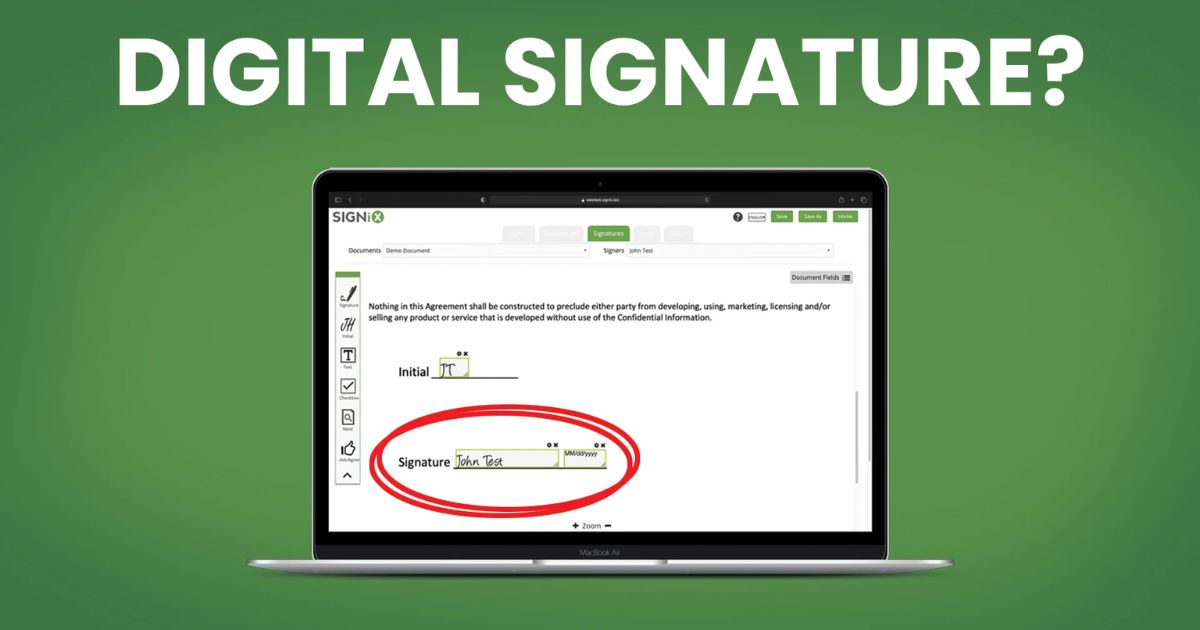
A digital signature is a cryptographic technique used to validate the authenticity and integrity of electronic documents and messages. It serves as an electronic equivalent of a handwritten signature or a stamped seal but offers far greater security. Digital signatures are based on public key infrastructure (PKI) technology, which uses a pair of cryptographic keys—one private and one public—to create and verify signatures.
How Digital Signatures Work
Digital signatures rely on encryption technology to ensure the security and authenticity of digital communications. Here’s a simplified overview of how they work:
- Key Generation: The signatory generates a pair of keys—a private key and a public key. The private key is kept secret, while the public key is shared with others.
- Signing Process: To sign a document, the signatory uses their private key to encrypt a hash of the document. This encrypted hash, along with the hashing algorithm, forms the digital signature.
- Verification Process: The recipient uses the signatory’s public key to decrypt the hash. They then hash the received document and compare it to the decrypted hash. If both match, the document’s integrity and the signatory’s authenticity are confirmed.
Importance of Digital Signatures
Digital signatures offer numerous advantages that make them essential in today’s digital landscape:
Security
- Data Integrity: Digital signatures ensure that the content of a document remains unchanged from the time it was signed to its receipt. Any tampering or alteration of the document after signing will invalidate the signature.
- Authentication: Digital signatures provide a means to verify the identity of the signatory, ensuring that the document is signed by the intended person or entity.
- Non-Repudiation: Once a document is signed, the signatory cannot deny having signed it. This feature is crucial for legal and contractual agreements.
Efficiency
- Faster Transactions: Digital signatures expedite the signing process, allowing documents to be signed and verified almost instantly, compared to traditional paper-based methods.
- Cost-Effective: By eliminating the need for physical paperwork, digital signatures reduce costs associated with printing, mailing, and storing documents.
Compliance
- Legal Validity: Digital signatures are legally recognized in many countries, including the United States, European Union, and India, making them suitable for various legal and business transactions.
- Regulatory Requirements: Many industries and regulatory frameworks require the use of digital signatures for compliance with standards such as e-Contracts, electronic records, and data protection.
The Process of Obtaining a Digital Signature
Obtaining a digital signature involves several steps, including registration, verification, and issuance. Here is a detailed guide to the process:
Step 1: Choose a Certifying Authority
Select a Certifying Authority (CA) that is authorized to issue digital signatures. CAs are organizations that validate and issue digital certificates based on the PKI framework. Ensure that the CA is recognized and trusted within your jurisdiction.
Step 2: Gather Required Documents
Prepare the necessary documents for the digital signature application. Commonly required documents include:
- Proof of Identity: Government-issued identification documents, such as a passport or driver’s license.
- Proof of Address: Utility bills, bank statements, or lease agreements.
- Business Documents: For business entities, documents such as a certificate of incorporation, tax registration, or partnership deed.
Step 3: Submit the Application
Complete the application form provided by the CA and submit it along with the required documents. The application can often be submitted online or in person at the CA’s office.
Step 4: Verification Process
The CA will verify the submitted documents and perform identity checks to confirm the authenticity of the applicant. This process may include background checks and verification of the provided information.
Step 5: Key Generation and Certificate Issuance
Once the verification is complete, the CA will generate the digital certificate containing the applicant’s public key and issue it. The digital signature is linked to this certificate, allowing the applicant to sign documents securely.
Step 6: Install and Use the Digital Signature
Install the digital certificate on your computer or device as per the CA’s instructions. You can then use the digital signature to sign documents electronically and verify their authenticity.
Benefits of Digital Signatures
Digital signatures offer a range of benefits that enhance the security, efficiency, and compliance of digital transactions:
Enhanced Security
- Encryption: Digital signatures use advanced encryption techniques to secure documents and protect against unauthorized access.
- Tamper-Evident: Any alterations to a digitally signed document can be detected, ensuring the integrity of the document.
Improved Efficiency
- Streamlined Processes: Digital signatures eliminate the need for physical document handling, speeding up the signing and approval processes.
- Reduced Costs: By minimizing the use of paper and postal services, digital signatures lower operational costs associated with document management.
Legal and Regulatory Compliance
- Legal Acceptance: Digital signatures are legally recognized and enforceable in many countries, making them suitable for contracts, agreements, and other legal documents.
- Regulatory Adherence: Digital signatures help businesses comply with industry regulations and standards, including data protection and electronic transaction laws.
Compliance and Best Practices
Compliance Requirements
To ensure compliance with legal and regulatory standards, businesses must adhere to the following practices:
- Use Trusted CAs: Obtain digital signatures from reputable and recognized Certifying Authorities to ensure the validity and acceptance of the signatures.
- Follow Legal Standards: Ensure that digital signatures meet the legal requirements of your jurisdiction, including specific regulations and guidelines.
Best Practices
- Secure Key Management: Protect your private key and digital certificate by implementing robust security measures, including encryption and access controls.
- Regular Updates: Keep your digital certificate up to date and renew it before expiration to maintain its validity and security.
- Educate Users: Train employees and stakeholders on the proper use of digital signatures and the importance of maintaining security and compliance.
Digital signatures have revolutionized the way businesses and individuals handle electronic documents and transactions. By providing a secure, efficient, and legally recognized method of authentication, digital signatures enhance the integrity and reliability of digital communications.
The process of obtaining and using digital signatures involves selecting a trusted Certifying Authority, submitting required documents, and following best practices to ensure security and compliance. Embracing digital signatures not only streamlines operations but also strengthens the trust and efficiency of your digital interactions.
Investing in digital signatures is a strategic move that can significantly benefit your business by reducing costs, improving security, and ensuring compliance with legal and regulatory requirements.