
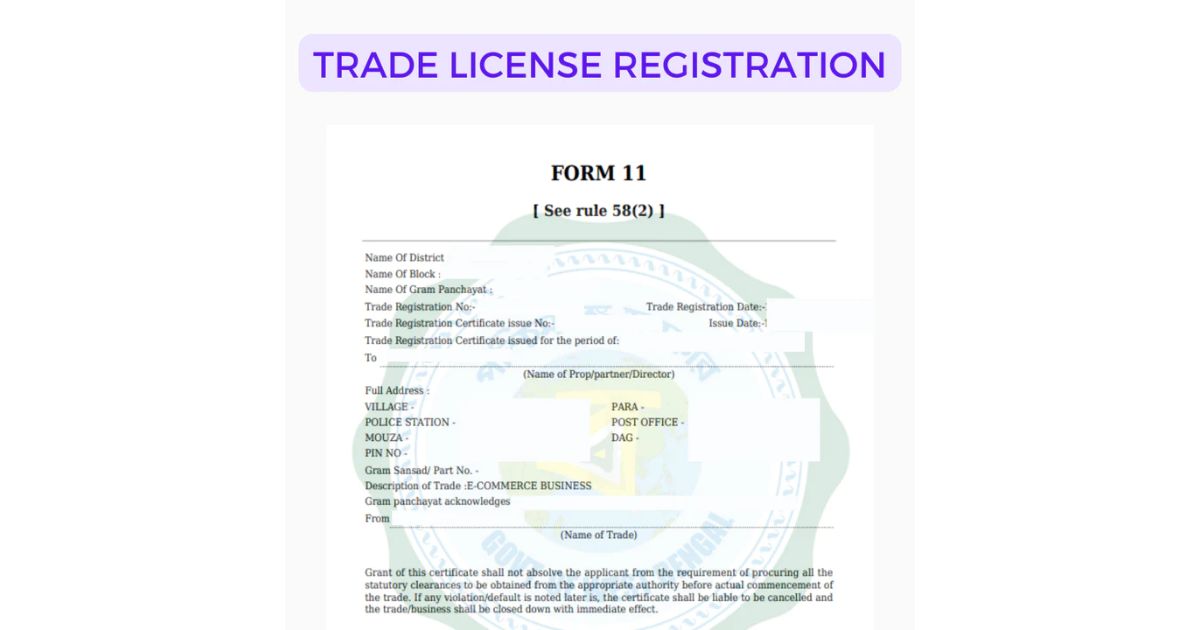
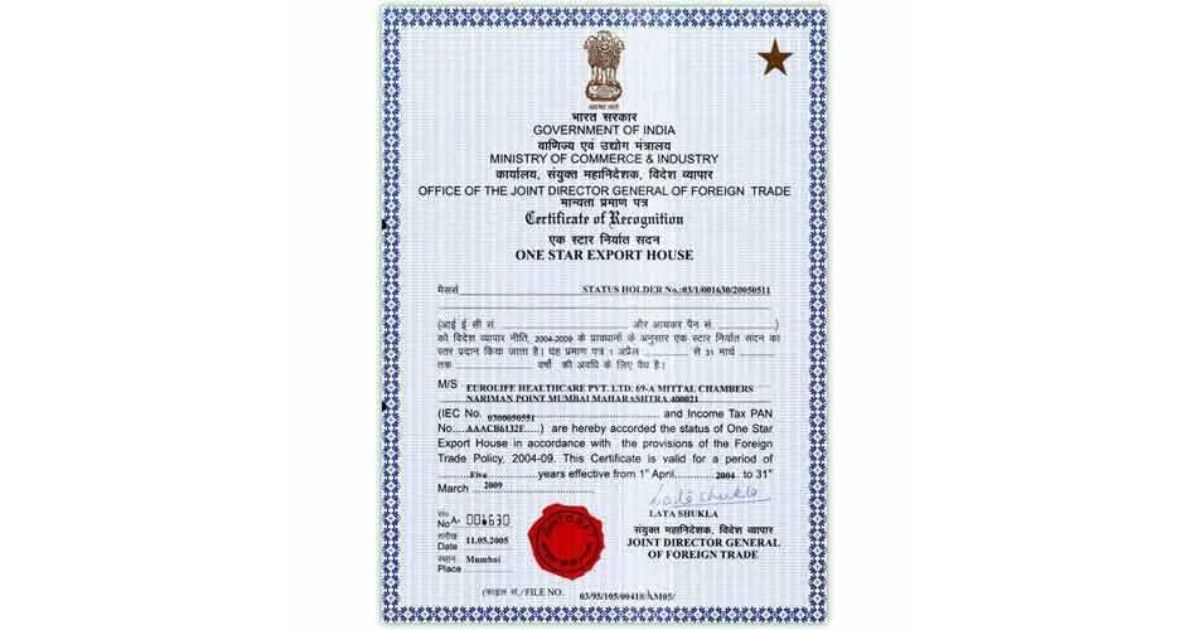
A trade license is an essential regulatory requirement for businesses operating in various sectors. It authorizes a business to conduct specific trade activities within a particular jurisdiction. The trade license ensures that businesses adhere to local laws, maintain public safety, and operate in compliance with industry standards. This guide provides a detailed overview of trade license services, including their importance, types, application process, benefits, and compliance requirements.
What is a Trade License?
A trade license is a legal document issued by local authorities that permits businesses to engage in commercial activities within a specific area. It is typically required by businesses involved in manufacturing, trading, and service industries. The trade license ensures that the business complies with local regulations, including safety, health, and environmental standards.
Importance of a Trade License
Trade licenses are crucial for several reasons:
- Legal Compliance: A trade license is mandatory for operating a business legally within a jurisdiction. It helps ensure that the business adheres to local laws and regulations.
- Consumer Protection: By regulating business operations, trade licenses help protect consumers from fraudulent or substandard goods and services.
- Safety and Health: Trade licenses often require businesses to meet safety and health standards, reducing the risk of accidents and ensuring a safe working environment.
- Taxation: Having a trade license facilitates proper tax collection and helps prevent tax evasion.
Types of Trade Licenses
Trade licenses can vary based on the type of business and the nature of operations. Here are some common types:
General Trade License
A general trade license is required for businesses engaged in trading goods, such as retail stores, wholesalers, and distributors. It permits the sale of various products and ensures compliance with local trade regulations.
Manufacturing Trade License
Manufacturers must obtain a specific trade license that permits them to produce goods. This license ensures that the manufacturing processes adhere to safety, health, and environmental standards.
Service Trade License
Businesses providing services, such as restaurants, hotels, and consultancies, need a service trade license. This license ensures that the service providers meet industry-specific standards and regulations.
Import/Export Trade License
Businesses involved in importing or exporting goods require an import/export trade license. This license facilitates international trade and ensures compliance with customs regulations and trade laws.
The Process of Obtaining a Trade License
Obtaining a trade license involves several steps, which may vary based on the local jurisdiction. Here is a general guide to the process:
Step 1: Determine the License Type
Identify the type of trade license required for your business based on its nature and activities. Consult local authorities or regulatory bodies to confirm the specific requirements for your business.
Step 2: Prepare the Necessary Documents
Gather the documents required for the trade license application. Commonly required documents include:
- Business Registration Documents: Proof of business registration, such as a certificate of incorporation or partnership deed.
- Proof of Identity: Identification documents of the business owner(s) or partners.
- Proof of Address: Address proof of the business premises, such as utility bills or lease agreements.
- Affidavits and Declarations: Statements affirming compliance with local regulations and industry standards.
- Tax Registration: Proof of tax registration, such as a GST registration certificate.
Step 3: Submit the Application
Submit the completed application form along with the required documents to the relevant local authority or regulatory body. The application can often be submitted online or in person at the local municipal office or trade licensing department.
Step 4: Pay the Application Fee
Most jurisdictions require payment of an application fee. The fee amount may vary based on the type of license and the nature of the business. Payment can usually be made online or at a designated payment center.
Step 5: Inspection and Verification
Once the application is submitted, local authorities may conduct an inspection of the business premises to ensure compliance with safety, health, and operational standards. The inspection may include checking the facilities, equipment, and overall business operations.
Step 6: Issuance of the Trade License
If the application and inspection are successful, the trade license will be issued. The license will include details such as the business name, address, type of trade, and validity period. Ensure that you keep the license up to date and renew it as required.
Benefits of Having a Trade License
A trade license offers numerous benefits for businesses, including:
Legal Protection
- Operating Legally: A trade license ensures that the business operates within the legal framework, reducing the risk of fines, penalties, or legal action.
- Regulatory Compliance: The license helps businesses comply with local regulations and industry standards, ensuring smooth operations.
Business Credibility
- Consumer Trust: A valid trade license enhances the credibility of the business, building trust with customers and clients.
- Competitive Advantage: Having a trade license can provide a competitive edge by demonstrating professionalism and adherence to industry standards.
Operational Efficiency
- Access to Markets: A trade license facilitates entry into various markets, including retail, wholesale, and international trade.
- Ease of Transactions: Businesses with a trade license can conduct transactions more efficiently, including purchasing supplies, leasing property, and engaging in contracts.
Safety and Health
- Workplace Safety: Trade licenses often require businesses to meet safety and health standards, reducing the risk of accidents and ensuring a safe working environment.
- Consumer Protection: The license helps ensure that products and services meet quality standards, protecting consumers from substandard or unsafe goods.
Compliance and Renewal
Compliance Requirements
To maintain a valid trade license, businesses must adhere to ongoing compliance requirements, including:
- Adherence to Regulations: Continue to follow local laws, safety standards, and industry regulations.
- Regular Inspections: Be prepared for periodic inspections by local authorities to ensure ongoing compliance.
- Update Information: Notify authorities of any changes to business details, such as address, ownership, or business activities.
Renewal Process
Trade licenses typically have a validity period and must be renewed before they expire. The renewal process involves:
- Submitting a Renewal Application: Complete and submit a renewal application form along with the required documents.
- Paying Renewal Fees: Pay the renewal fee, which may vary based on the type of license and the duration of validity.
- Inspection (if required): Some jurisdictions may require a re-inspection of the business premises before renewing the license.
A trade license is a vital requirement for businesses looking to operate legally and effectively within their respective jurisdictions. It ensures compliance with local regulations, promotes consumer protection, and enhances business credibility. The process of obtaining and maintaining a trade license involves several steps, including application submission, inspection, and renewal.
By securing a trade license, businesses can enjoy numerous benefits, including legal protection, operational efficiency, and increased consumer trust. Whether you are starting a new business or managing an existing one, obtaining and maintaining a trade license is an essential step in ensuring the success and growth of your business.