

In today’s fast-paced retail and manufacturing industries, barcodes have become an essential tool for streamlining operations, improving inventory management, and enhancing the overall customer experience. Barcode registration is a vital step for businesses looking to implement barcode systems for their products. This guide will provide an in-depth overview of barcode registration, including its importance, the process, the benefits it offers, and the legal obligations associated with it.
What is Barcode Registration?
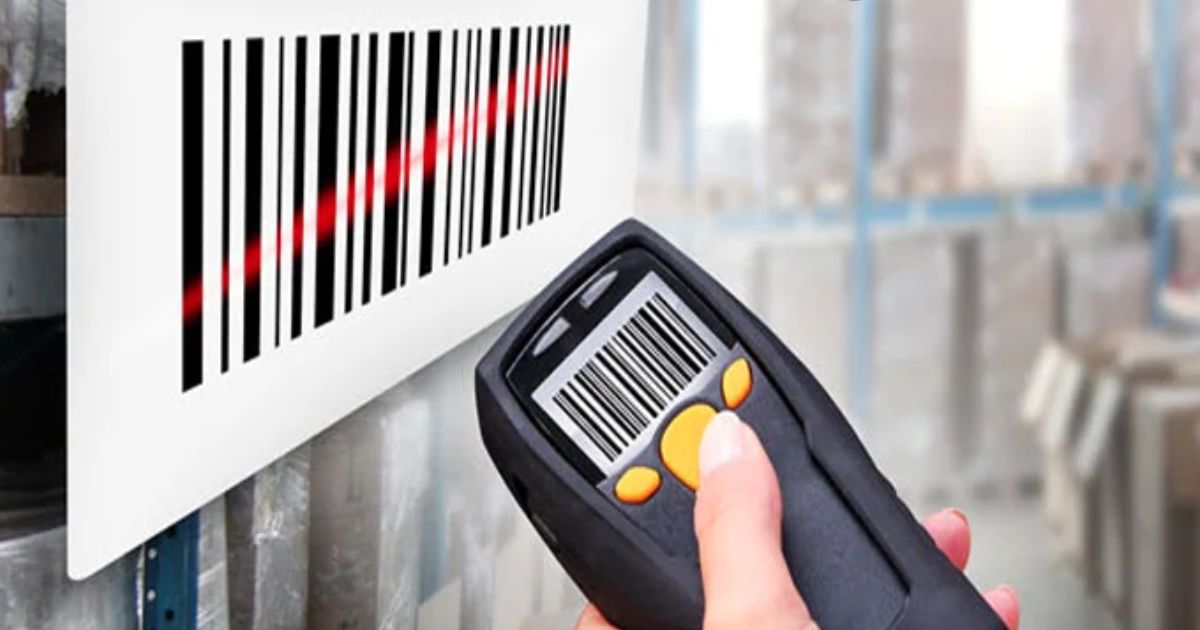
Barcode registration is the process of obtaining a unique barcode for your product, which can be scanned by barcode readers at various points in the supply chain. Barcodes are typically a series of black and white stripes or squares that represent data, such as product numbers, batch numbers, or other identifying information. These codes are universally recognized and used in retail, warehousing, logistics, and manufacturing industries.
Importance of Barcode Registration
Barcode registration is important for several reasons:
- Product Identification: Barcodes provide a unique identifier for each product, allowing for easy tracking and management across the supply chain.
- Inventory Management: Barcodes facilitate accurate and efficient inventory management by automating the process of tracking stock levels, reordering products, and reducing human error.
- Retail Compliance: Many retailers, including major supermarket chains, require suppliers to have barcodes on their products to comply with their inventory and point-of-sale systems.
- Global Recognition: Registered barcodes are recognized globally, making it easier for businesses to sell their products in international markets.
Who Needs Barcode Registration?
Barcode registration is essential for a variety of businesses, including:
Manufacturers
Manufacturers producing goods for retail or wholesale distribution need barcodes to identify their products uniquely. This ensures that each item can be easily tracked from the production line to the store shelf.
Retailers
Retailers benefit from barcode registration as it simplifies the process of pricing, inventory management, and sales tracking. It also ensures that all products are easily scannable at the point of sale.
Wholesalers and Distributors
Wholesalers and distributors use barcodes to manage large quantities of products efficiently. Barcodes help in tracking products through various stages of the supply chain, from warehouses to delivery.
Online Sellers
E-commerce platforms often require barcodes for product listings, especially if the products are to be sold on global marketplaces like Amazon, eBay, or Walmart. Having a registered barcode ensures that the product is correctly identified and listed on these platforms.
The Process of Barcode Registration
The process of barcode registration is straightforward and can be completed online. Here’s a step-by-step guide:
Step 1: Choose a Barcode Type
Before starting the registration process, you need to decide on the type of barcode you require. The most commonly used barcodes are:
- UPC (Universal Product Code): Typically used in the United States and Canada, the UPC barcode is widely used in retail and is recognized globally.
- EAN (European Article Number): Used in Europe and other parts of the world, the EAN barcode is similar to the UPC but includes an additional digit.
- ISBN (International Standard Book Number): Specifically for books, this barcode is used globally for tracking and selling books.
- GTIN (Global Trade Item Number): A broader identifier used for various types of products, GTINs can be represented in different barcode formats, including UPC and EAN.
Step 2: Register with a Barcode Authority
In most countries, barcodes are issued by GS1, a global non-profit organization that develops and maintains standards for supply chain management. To register your barcode, you need to:
- Visit the GS1 Website: Start by visiting the GS1 website for your country or region.
- Create an Account: Sign up for an account by providing your business details, including your company name, address, and contact information.
- Select a Membership Plan: GS1 offers different membership plans based on the number of barcodes you need and the size of your business. Choose a plan that best suits your needs.
Step 3: Obtain Your GS1 Company Prefix
Once registered, you will receive a GS1 Company Prefix, which is a unique identifier for your company. This prefix will be used in the creation of your barcodes and will ensure that your products are uniquely identified in the global marketplace.
Step 4: Assign Barcodes to Your Products
With your GS1 Company Prefix in hand, you can now assign barcodes to your products. Each product will have a unique number, known as a GTIN (Global Trade Item Number), which will be encoded in the barcode.
Step 5: Design and Print Your Barcodes
After assigning the barcodes, you need to design and print them on your product packaging. Many online tools and software are available to help you create barcode labels that meet industry standards.
Step 6: Test Your Barcodes
Before finalizing your packaging, it is crucial to test your barcodes to ensure they can be accurately scanned by barcode readers. This step helps prevent any issues at the point of sale or during inventory management.
Benefits of Barcode Registration
Barcode registration offers a wide range of benefits that can significantly improve business operations and customer satisfaction:
Improved Inventory Management
- Accuracy: Barcodes reduce human error in inventory tracking, leading to more accurate stock levels and order fulfillment.
- Efficiency: Automating inventory processes with barcodes saves time and resources, allowing staff to focus on other critical tasks.
Enhanced Customer Experience
- Faster Checkout: Barcodes streamline the checkout process by allowing quick scanning of products, reducing wait times for customers.
- Product Information: Barcodes can be linked to detailed product information, helping customers make informed purchasing decisions.
Cost Savings
- Reduced Labor Costs: Automating inventory and sales processes with barcodes reduces the need for manual data entry, lowering labor costs.
- Minimized Losses: Improved inventory accuracy with barcodes helps prevent stockouts and overstocking, reducing financial losses.
Global Market Access
- International Recognition: Registered barcodes are recognized globally, making it easier to sell products in international markets.
- Compliance with Retailer Requirements: Many global retailers require barcodes for inventory management, and having a registered barcode ensures compliance.
Legal and Compliance Considerations
Validity and Renewal
Barcodes issued by GS1 are valid for the lifetime of the product. However, businesses must maintain their membership with GS1 and keep their product information up to date to ensure ongoing compliance.
Penalties for Non-Compliance
Using unauthorized or incorrect barcodes can lead to legal issues, including fines and restrictions on selling your products in certain markets. It is essential to ensure that your barcodes are correctly registered and used according to GS1 guidelines.
Updating Product Information
If there are any changes to your product, such as modifications in packaging or content, you must update the barcode information with GS1. Failure to do so can lead to inconsistencies in the supply chain and potential penalties.
Barcode registration is a crucial step for businesses looking to improve their product tracking, inventory management, and overall operational efficiency. By obtaining a registered barcode, businesses can ensure that their products are easily identifiable, comply with retailer requirements, and are ready for global distribution.
The process of barcode registration is straightforward and offers numerous benefits, from enhanced inventory management to improved customer satisfaction. Whether you are a manufacturer, retailer, wholesaler, or online seller, investing in barcode registration is a strategic move that can significantly contribute to the success and growth of your business.